Thanksgiving in Louisiana Tastes Different
In most of America, Thanksgiving means a roast turkey, a casserole dish of stuffing, and a can-shaped cylinder of cranberry sauce. In Louisiana, the table looks a little different. There’s a pot of gumbo on the stove, a turkey bubbling in a backyard fryer, dressing made with oysters or rice instead of bread cubes, and a pecan pie made with nuts that likely grew a few parishes away.
A Cajun Creole Thanksgiving is the same holiday with a deeper roux. It’s built on the same values the rest of the country celebrates (family, gratitude, and way too much food), but it’s seasoned by three centuries of French, Spanish, West African, Native American, and Acadian cooking traditions that came together in South Louisiana.
At Filé Gumbo Bar in Tribeca, we cook from that tradition every day. Our gumbo simmers in a steam kettle right at the bar, our bread comes from Leidenheimer in New Orleans, and our name comes from filé powder, the ground sassafras leaf that Choctaw cooks were using long before anyone wrote down a gumbo recipe. So as the leaves turn on Church Street and gumbo weather finally arrives in New York, we wanted to share the Louisiana Thanksgiving traditions that shape the way we think about the holiday, and how you can bring a little of that flavor to your own table this fall.
Cajun vs. Creole: Two Kitchens, One Holiday Table
Before we get to the food, a quick primer, because people ask us this question constantly. Cajun and Creole cooking are cousins, not twins.
Creole cooking grew up in New Orleans. It’s city food, shaped by European-trained cooks, enslaved and free cooks of African descent, and Spanish, Caribbean, and French influences. Creole kitchens had access to the port, so you’ll often see tomatoes, butter, cream, and seafood like oysters and shrimp.
Cajun cooking comes from the Acadians, French settlers expelled from Canada in the 1700s who made new homes in the bayous and prairies west of New Orleans. Cajun food is country cooking: resourceful, rustic, and built around what you could hunt, raise, or catch. Think smoked andouille, tasso, wild game, and dark, rich roux.
On Thanksgiving, those two traditions meet. A family might serve a Creole oyster dressing next to a Cajun rice dressing, and nobody at the table thinks twice about it. That blend is exactly what we mean when we call Filé a Cajun-Creole restaurant in NYC.
Gumbo: The Unofficial Main Course of a Louisiana Thanksgiving
Ask anyone from South Louisiana when gumbo season starts, and they’ll tell you: the first cold front. When the humidity breaks and the temperature drops, pots come out of the cabinet and roux starts darkening on stovetops across the state. By Thanksgiving, gumbo season is in full swing.
That’s why Thanksgiving gumbo is a tradition in so many Louisiana homes. Some families serve it as a first course before the turkey. Others keep a pot going all day so relatives arriving from out of town have something hot waiting for them. And in plenty of households, gumbo shows up as the main event.
Turkey and Andouille Gumbo
The most beloved holiday version is turkey and andouille gumbo. It starts the same way every great gumbo starts: with a roux, flour and fat stirred slowly until it reaches the color of chocolate. Then comes the holy trinity of onion, celery, and bell pepper, followed by stock, smoked andouille sausage, and turkey. A spoonful of filé powder stirred in at the end thickens the gumbo and adds an earthy, almost herbal note.
The Day-After Turkey Gumbo
If there’s one Louisiana Thanksgiving tradition worth stealing, it’s this one. On Friday morning, the turkey carcass goes into a stockpot with onions, celery, and bay leaves. That homemade stock becomes the base for a leftover turkey gumbo that, honestly, many Louisianans look forward to more than the Thanksgiving meal itself. It’s resourceful, deeply flavorful, and very Cajun: nothing goes to waste.
At Filé, our gumbo is built on a dark roux on purpose. That deep, toasty flavor is what we think a great gumbo should taste like, and it’s why guests keep calling it some of the best gumbo in NYC. If you’ve never had real Louisiana gumbo, start with a lil’ cup of gumbo at the bar and pick your heat level, from Mild all the way to Extra Hot.
Dressing, Not Stuffing
In Louisiana, you’ll rarely hear anyone call it stuffing. It’s dressing, it’s usually baked in a pan rather than inside the bird, and there are as many versions as there are grandmothers. Three stand above the rest.
Oyster Dressing
Oyster dressing is a New Orleans Creole classic. Gulf oysters and their briny liquor get folded into stale French bread with the trinity, garlic, green onions, parsley, and plenty of butter. The result is savory, rich, and tastes faintly of the sea. For a lot of New Orleans families, Thanksgiving isn’t Thanksgiving without it. (It’s also a great use for a day-old loaf of Leidenheimer French bread, which we know a thing or two about.)
Cornbread Dressing
Cornbread dressing is the Southern staple that ties Louisiana to the rest of the Gulf Coast. Crumbled cornbread is mixed with sausage or andouille, the trinity, sage, and stock, then baked until the top gets crisp. Many Cajun cooks add a little cayenne or a few dashes of Louisiana hot sauce to wake it up.
Rice Dressing (Dirty Rice)
In Cajun country, where rice grows in the prairies around Lafayette and Crowley, the holiday dressing is often made with rice. Rice dressing, sometimes called dirty rice, gets its color and deep flavor from finely chopped chicken livers and gizzards or ground pork cooked down with the trinity and seasoning. It’s humble, rich, and one of the most comforting things you can put on a plate.
Louisiana families also love mirliton dressing. Mirliton, the pale green squash known elsewhere as chayote, grows on backyard vines all over New Orleans and ripens right around Thanksgiving. Stuffed or baked into a dressing with shrimp and bread crumbs, it’s a true Creole holiday dish.
The Bird: Fried, Stuffed, or Swapped Out Entirely
Cajun Fried Turkey
Long before deep-fried turkey went viral every November, Cajun families were frying whole birds in big outdoor pots of peanut oil. The method is simple: inject the turkey with a seasoned marinade of butter, garlic, cayenne, and Creole seasoning, rub the outside with more spice, then lower it slowly into hot oil. Under an hour later, you’ve got crackling skin and juicy, well-seasoned meat all the way through. A Cajun fried turkey is as much an event as a dish, with the whole family gathered around the fryer in the driveway.
Turducken
Then there’s the turducken, the most famously over-the-top Cajun holiday creation: a deboned chicken stuffed inside a deboned duck, stuffed inside a deboned turkey, with layers of cornbread or sausage dressing in between. It was popularized in Cajun country and spread nationwide from there. Carving into one is a Thanksgiving showstopper.
Cochon de Lait and Boudin
Some Cajun families skip the bird altogether, or serve it alongside slow-roasted pork. Cochon de lait, a whole pig roasted for hours over a wood fire, comes from the Cajun boucherie tradition, when neighbors gathered in cold weather to butcher a hog and share every part of it. That same tradition gave us boudin, the rice-and-pork sausage you’ll find at gas stations and meat markets across Acadiana. A few links of boudin on the appetizer table is about as Louisiana as Thanksgiving gets.
Sides and Sweets From the Louisiana Harvest
Fall is harvest season in Louisiana, and the Thanksgiving table shows it.
- Louisiana yams and sweet potatoes. Louisiana is one of the country’s major sweet potato growers, and they show up candied, baked into casseroles with pecan topping, or simply roasted with butter and cane syrup.
- Smothered greens and green beans. Collards, mustard greens, or green beans cooked low and slow with onions and smoked tasso or bacon.
- Maque choux. A Cajun side of fresh corn smothered with the trinity, tomatoes, and a little cream.
- Pecan pie. Pecans are native to Louisiana, and a pecan pie sweetened with cane syrup is a non-negotiable for many families.
- Sweet potato pie. Silky, spiced, and a staple of Black Southern and Creole holiday tables.
- Bread pudding. The great New Orleans dessert, made from day-old French bread soaked in custard and finished with a whiskey or rum sauce.
- Satsumas. These easy-peel Louisiana citrus fruits ripen in late fall and fill fruit bowls through the holidays.
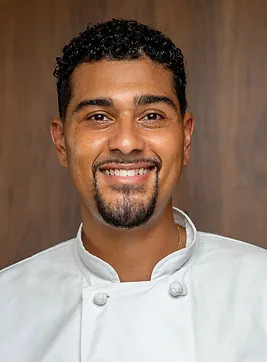
The common thread is resourcefulness. Stale bread becomes pudding. Leftover rice becomes dressing. The turkey carcass becomes gumbo. That ethos runs through everything we cook at Filé, and it’s part of what Chef Eric McCree fell in love with on a road trip through Lafayette, the heart of Cajun country, that eventually inspired the restaurant. The cooking at Filé also draws inspiration from his grandfather, Aubrey “Tiny” Gaines.
Café Brûlot and a Strong Cup of Chicory
No Louisiana holiday meal ends without coffee. In many homes, that means a pot of dark-roast coffee with chicory, a tradition that took hold in New Orleans during 19th-century coffee shortages and never left.
For special occasions, New Orleans has something more dramatic: Café Brûlot. Brandy, orange and lemon peel, cinnamon, and cloves are warmed and set aflame, then ladled through the flames before hot coffee is poured in. It’s spiced, citrusy, a little boozy, and pure theater. It’s also the perfect way to close a long, celebratory holiday dinner.
Café Brûlot is our signature tableside experience at Filé, and fall is the best time of year to try it. Pair it with something from our new seasonal winter cocktail menu, inspired by colder months and the flavors of Cajun-Creole Louisiana.
Thanksgiving Dinner in NYC at Filé: All the Fixin’s
This year, let us do the cooking. On Thursday, November 26, Filé is serving Thanksgiving dinner with all the fixin’s: turkey, ham, and Louisiana-style sides, served family-style for the whole table.
$100 per guest (minimum two guests), including a glass of house red or white wine. Kids 12 and under, $45. Tax and gratuity not included.
- To Start: Warm Crab & Crawfish Cheese Dip with Crostini · Extra Stuffed Deviled Eggs
- Add for the Table: Turkey & Andouille Gumbo, $32 extra
- Centerpieces: Roasted Turkey with Cajun Butter · Cane Syrup–Glazed Ham
- For the Table: Cornbread Sausage Dressing · Crawfish Mac & Cheese · Ham Hock Green Beans · Corn Maque Choux · Garlic Mashed Potatoes · Cranberry–Pepper Jelly Relish · Buttermilk Biscuits
- Gravy: Dark-Roux Giblet Gravy for the turkey and mashed potatoes
- Dessert: Bourbon Butter Bread Pudding · Sweet Potato Pie
You’ll recognize a lot of the traditions from this post on the menu: cornbread dressing, maque choux, cane syrup, bread pudding, sweet potato pie, and of course a turkey and andouille gumbo for the table. Seating is limited, so book your Thanksgiving dinner at Filé on OpenTable.
Bring a Louisiana Thanksgiving to New York at Filé Gumbo Bar
You don’t have to drive down I-10 to taste a Cajun Creole Thanksgiving. Here’s how to bring Louisiana into your holiday season in NYC:
- Start the season with gumbo. Stop by Filé Gumbo Bar at 275 Church Street in Tribeca, pull up a seat at the bar, and watch our gumbo simmer in the steam kettle. It’s the same gumbo Eater NY has called the best in New York.
- Gather your people before the holiday. Thanksgiving week is one of the busiest times of the year for friends’ dinners and “Friendsgiving” outings. Our dining room seats 52, so reserve early on OpenTable or at filenyc.com.
- Let us cater your table. Hosting this year? Filé’s catering program can bring gumbo and Louisiana classics to your holiday gathering, office party, or Friendsgiving in NYC. Visit filenyc.com to learn more.
- Make a weekend of it. Our Jazz Brunch runs every Saturday and Sunday, a perfect way to spend Thanksgiving weekend with out-of-town family.
- End with fire. Order Café Brûlot for the table and toast the season the New Orleans way.
This fall we’re also rolling out our new winter menu, full of the cold-weather Cajun-Creole comfort food that makes this time of year so special. Follow us on Instagram at @filegumbobar for menu announcements, holiday hours, and what’s simmering in the kettle.
However you celebrate, we hope your Thanksgiving is full of good food, good people, and at least one bowl of gumbo. As they say in Louisiana: laissez les bons temps rouler.
Cajun Creole Thanksgiving FAQ
What do people eat for Thanksgiving in Louisiana?
A Louisiana Thanksgiving often includes gumbo, Cajun fried turkey or turducken, oyster or rice dressing, mirliton dressing, candied yams, pecan pie, and bread pudding, finished with chicory coffee or Café Brûlot.
Is gumbo a Thanksgiving food?
Yes. Gumbo season starts with the first cold front of fall, so many Louisiana families serve gumbo on Thanksgiving and make turkey gumbo from the leftover carcass the next day.
What’s the difference between Cajun and Creole food?
Creole food comes from New Orleans and often uses tomatoes, butter, and seafood. Cajun food comes from the Acadian settlers of rural South Louisiana and leans on dark roux, smoked meats, and rustic one-pot cooking.
Where can I get the best gumbo in NYC?
Filé Gumbo Bar at 275 Church Street in Tribeca serves Cajun-Creole gumbo made with a dark roux and simmered in a steam kettle at the bar. Eater NY has named it home to the city’s best gumbo.
Is Filé Gumbo Bar open on Thanksgiving?
Yes. On Thursday, November 26, Filé serves a family-style Louisiana Thanksgiving dinner for $100 per guest (kids 12 and under $45), with turkey, ham, and all the fixin’s. Reserve on OpenTable.
Does Filé Gumbo Bar offer catering for the holidays in NYC?
Yes, Filé offers catering for holiday parties and gatherings. Visit filenyc.com for details.